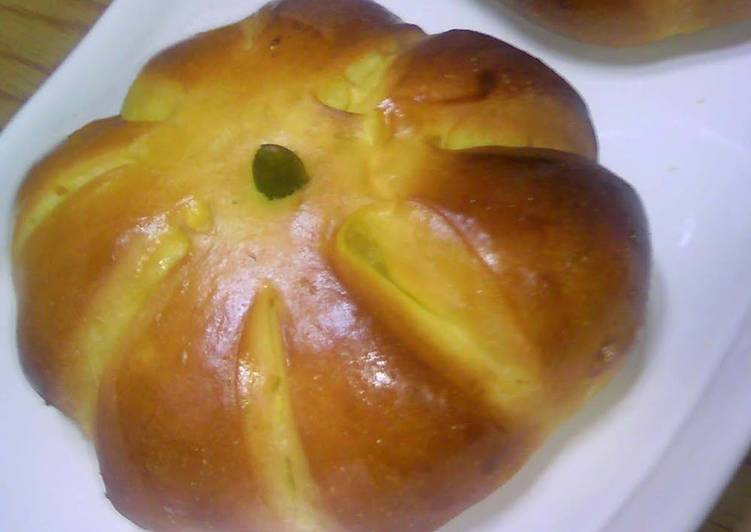
Hey everyone, welcome to our recipe page, If you're looking for recipes idea to cook today, look no further! We provide you only the best Basic Bread Dough (with bread making tips, including hand-kneading instructions) recipe here. We also have wide variety of recipes to try.
Before you jump to Basic Bread Dough (with bread making tips, including hand-kneading instructions) recipe, you may want to read this short interesting healthy tips about {The Basics of Being Healthy. Getting A Healthy Eater
The majority of us have a fairly good idea about exactly what healthy eating is: plenty of fruits and vegetables and not as much fat and sugar. Nevertheless, in regards to children, knowing what’s healthy is just the start. And even in the event that you shop’healthy' it does not follow that your kid will willingly eat it.
There is hope. Children need some additional encouragement and guidance alongside some of these strategies your kid is sure to eat healthy.
Make a gatekeeper.
It is likely that the easiest way to get your kids to eat healthy is to eliminate the less-healthy choices. Take control over what meals and snack choices are in your home. If a kid is hungry they’ll eat it when there isn’t an alternative. Perhaps you have heard of a child starving to death because his parents wouldn’t feed him potato chips?
Keep healthy meals in sight.
As for those less-than-good-for-you foods, maintain them in high cabinets and from your kid’s reach. Organize your fridge and cabinets to ensure healthy foods will be the primary foods which you see. In the event you choose to have some unhealthy options in the house keep them from sight and you and your children are going to be much less likely to choose them as a option.
Make healthy food convenient.
Wholesome foods, particularly fruits and vegetables need little preparation that’s terrific for your’starving' kid and you. You could be surprised at how many more fruits and vegetables that your child will eat simply by having them visible and easy to catch.
Make learning about meals pleasure.
Select a vegetable garden for a family job and set your child responsible for watering and picking the ripe vegetables. Children that are involved are far more inclined to be a willing participant in the ingestion procedure.
Keep an eye on Portion dimensions.
Parents frequently stress how much their children should be eating. Whether you’re attempting to get a particular eater to take a bite of any green or restrict the sum of dessert that your sweet-toothed kid needs watching portions is necessary. Knowing the size of a healthy portion will give you some needed perspective. You are able to use the USDA’s Guidelines for Healthy Eating to learn about exactly just what a healthy portion is.
Keep in mind that eating foods together isn’t just a wonderful way to grab in your household day it is also the ideal time to role-model healthy eating habits. Kids learn by seeing their parents…That’s food for thought!
We hope you got benefit from reading it, now let’s go back to basic bread dough (with bread making tips, including hand-kneading instructions) recipe. You can cook basic bread dough (with bread making tips, including hand-kneading instructions) using 7 ingredients and 19 steps. Here is how you achieve that.
The ingredients needed to prepare Basic Bread Dough (with bread making tips, including hand-kneading instructions):
- Use 300 grams Bread (strong) flour
- Prepare 6 grams Dried yeast
- Use 30 grams Sugar
- Use 4 1/2 grams Salt
- You need 6 grams Skim milk powder
- Use 200 grams total Egg (1) + water
- Prepare 30 grams Shortening
Steps to make Basic Bread Dough (with bread making tips, including hand-kneading instructions):
- Knead the dough: Put all the ingredients in a bread machine, and run the "dough" program until the 1st rising is about to start. Tip: The water temperature should be 45°C - the ambient temperature (see Hints).
- 1st rising: If you are using a dough proofing container, oil the inside of a bowl and put in the dough. Tip: Round off the dough into a smooth ball with a taut surface.
- Divide the dough: Divide the dough into 50 g pieces, and round off each piece. Tip: Keep the dough covered when you're not working on it to prevent it from drying out!
- Rest: Cover the dough with a tightly wrung out moistened kitchen towel or put it in a lidded container, and rest for 15 minutes. Tip: The dough will rise a little while resting, so leave space between the pieces.
- Form the dough: Turn each piece of dough over and press down gently with your palms. Roll the dough out with a rolling pin and wrap it around or fill with anything you like.
- 2nd rising: Leave to rise in a proofing container for 25 minutes. Tip: If the dough hasn't risen much after 25 minutes, leave for a while more until it has.
- Baking: Bake for 11 minutes at 180°C. Tip: Adjust the temperature depending on how brown the bread is getting. (Don't change the baking time though if possible.)
- How to use a pastry cutter. To cut the dough with a pastry scraper or cutter, press straight down on it. Tip: Don't use a back and forth sawing motion to cut the dough.
- What to do if you forget to add the yeast? Dissolve the yeast in a little lukewarm water, add it to the dough, and knead well.
- How to hand knead: Put the flours in a bowl, and mix with your hands. Tip: Keep the salt and yeast apart since salt inhibits the yeast.
- Put the egg + water into the bowl in about 3 batches, kneading well between additions. Tip: The egg + water temperature should be 45°C minus the ambient temperature (see Hints).
- When the dough comes together in one mass, add the shortening and keep kneading. Tip: When everything is well combined and the dough no longer sticks to your hands, it's good!
- Take the dough out of the bowl, hold it securely in one hand, and smack it against your work surface. Tip: Don't let go of the dough when you smack it down.
- Smack it down 3 times, then round off the dough. Repeat this procedure until you've smacked down the dough about 100 times. Round off the dough.
- Form the dough into a ball with a smooth, taut surface. Place the dough into an oiled bowl and cover the bowl with plastic wrap. Tip: Use a large bowl.
- Leave in a warm place to rise for 40 minutes. From this point on follow Step 3 and onwards.
- Easy hand kneading: Put the flours in a plastic bag and shake to combine. Tip: Hold the bag opening securely closed.
- Add the egg + water to the bag, and mix well. Add the shortening, and knead the dough well over the bag.
- When the dough comes together, leave it to rise in the bag in a warm location for 40 minutes. From this point on follow step 3 and onwards.
Kneading dough by hand can be messy, and many home cooks add a lot of extra flour, which However, if you do not own a stand mixer, you can still make a good loaf of bread from most. Traditionally bread dough is kneaded by hand or using a mixer until the dough softens and becomes elastic. This is understandable: bread making is first a craft and only second, science. But even if the many Kneading is all about getting energy into dough to enhance its elasticity. It doesn't matter that much Grab the side of the dough furthest from you with your dominant hand and use your other hand to.
If you find this Basic Bread Dough (with bread making tips, including hand-kneading instructions) recipe useful please share it to your friends or family, thank you and good luck.